What is a Dental Implant?
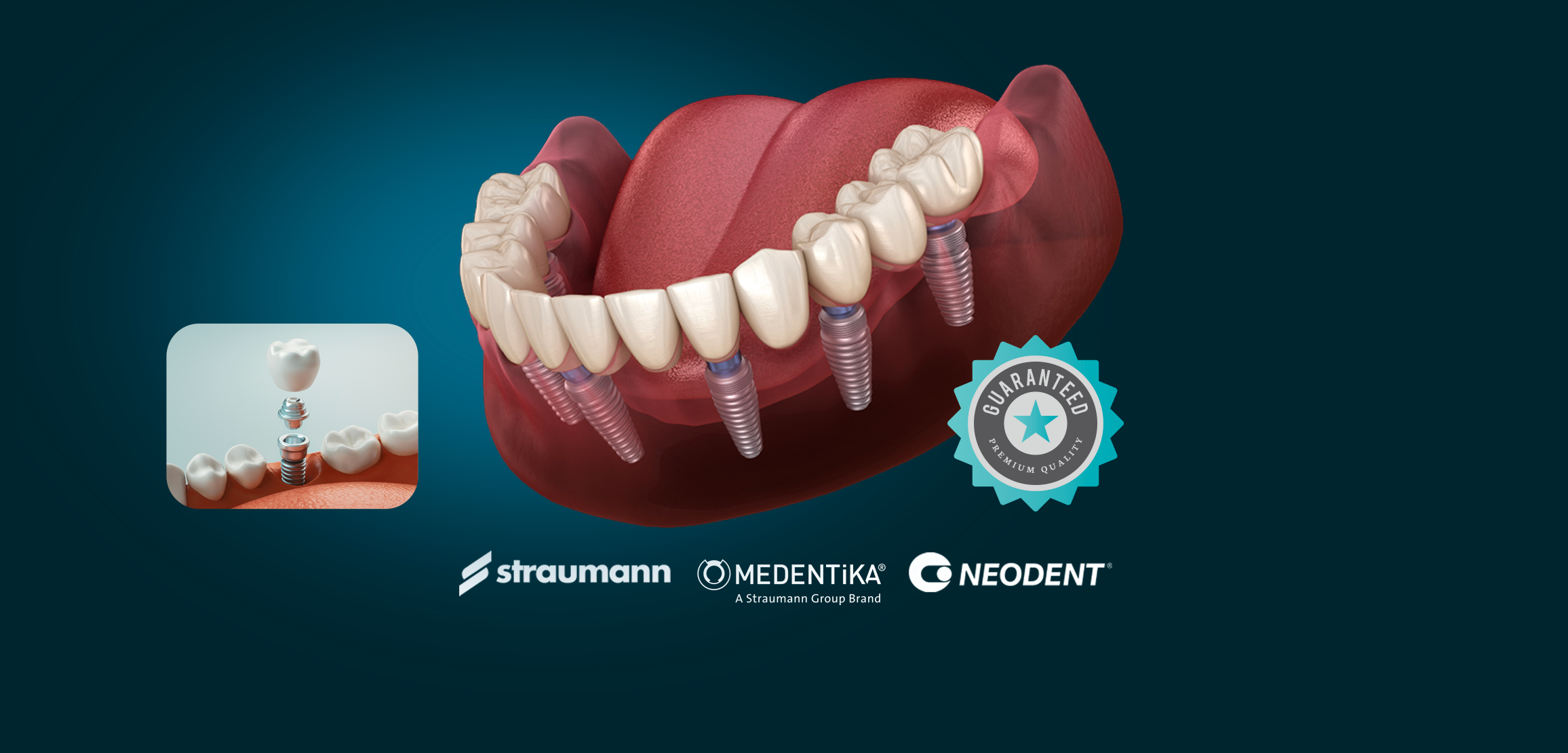
Dental implants are artificial tooth roots made of biocompatible titanium, designed to replace missing teeth permanently. Unlike dentures or bridges, implants integrate with the jawbone, providing a strong and durable foundation for artificial teeth.
This modern dental solution restores not just the aesthetics but also the functionality of natural teeth, allowing patients to chew, speak, and smile with confidence.
Who Needs Dental Implants?
Dental implants are an ideal solution for individuals who:
Have one or more missing teeth.
Struggle with loose or uncomfortable dentures.
Have sufficient jawbone density to support an implant.
Want a long-lasting, natural-looking alternative to bridges or removable dentures.
Are looking for a fixed dental restoration that prevents bone loss and maintains facial structure.
Types of Dental Implants
There are several types of dental implants based on the patient's needs:
1. Single Tooth Implant
Ideal for replacing a single missing tooth, this implant is topped with a customized crown that matches the natural teeth.
2. Multiple Teeth Implants
For patients missing multiple teeth, implants can be placed to support a bridge, ensuring stability and function.
3. Full Mouth Implants (All-on-4 / All-on-6)
A revolutionary method where four or six implants are strategically placed to support an entire arch of teeth, providing a permanent alternative to dentures.
4. Zygomatic Implants
Used in cases where patients have severe bone loss in the upper jaw, these longer implants anchor into the cheekbone (zygoma) instead of the jawbone.
Dental Implant Procedure Step by Step
The dental implant procedure involves several carefully planned steps:
- Consultation & Assessment: A thorough dental examination, including 3D scans and X-rays. Evaluation of jawbone density and gum health. Customized treatment planning.
- Implant Placement: Performed under local anesthesia or sedation. The titanium implant is surgically placed into the jawbone. A temporary crown may be attached for aesthetic purposes.
- Osseointegration (Healing Phase): The implant fuses with the jawbone over 3-6 months. Patients may wear temporary restorations during this period.
- Final Prosthetic Attachment: Once healing is complete, a permanent crown, bridge, or denture is attached to the implant. Final adjustments are made to ensure comfort and functionality.
Healing and Recovery Process
Most patients experience mild swelling and discomfort for a few days after surgery.
Pain can be managed with prescribed medications and cold compresses.
Soft food diet is recommended for the first few weeks.
Regular follow-ups are essential to monitor healing progress.
Advantages of Dental Implants
✅ Long-lasting and durable (can last a lifetime with proper care)
✅ Prevents bone loss and maintains facial structure
✅ Provides a natural look and feel
✅ Restores full chewing ability
✅ Does not require alteration of adjacent teeth (unlike bridges)
✅ Improves speech clarity compared to removable dentures
Potential Risks and Considerations
Rare complications include infection, nerve damage, or implant failure.
Requires good oral hygiene and regular dental visits to ensure long-term success.
Not all patients are immediate candidates—bone grafting may be necessary for those with insufficient jawbone.
Frequently Asked Questions
How long do dental implants last?
With proper care, dental implants can last a lifetime. Regular dental check-ups and good oral hygiene are essential for longevity.
Is the procedure painful?
The procedure is performed under anesthesia, making it pain-free. Mild discomfort may occur during the healing phase but is manageable with medication.
How soon can I return to normal activities after surgery?
Most patients resume daily activities within 24-48 hours, but strenuous physical activities should be avoided for a few days.
Are dental implants better than dentures?
Yes! Implants are a permanent, stable solution that prevents bone loss and provides superior comfort, unlike removable dentures that may slip or cause irritation.