
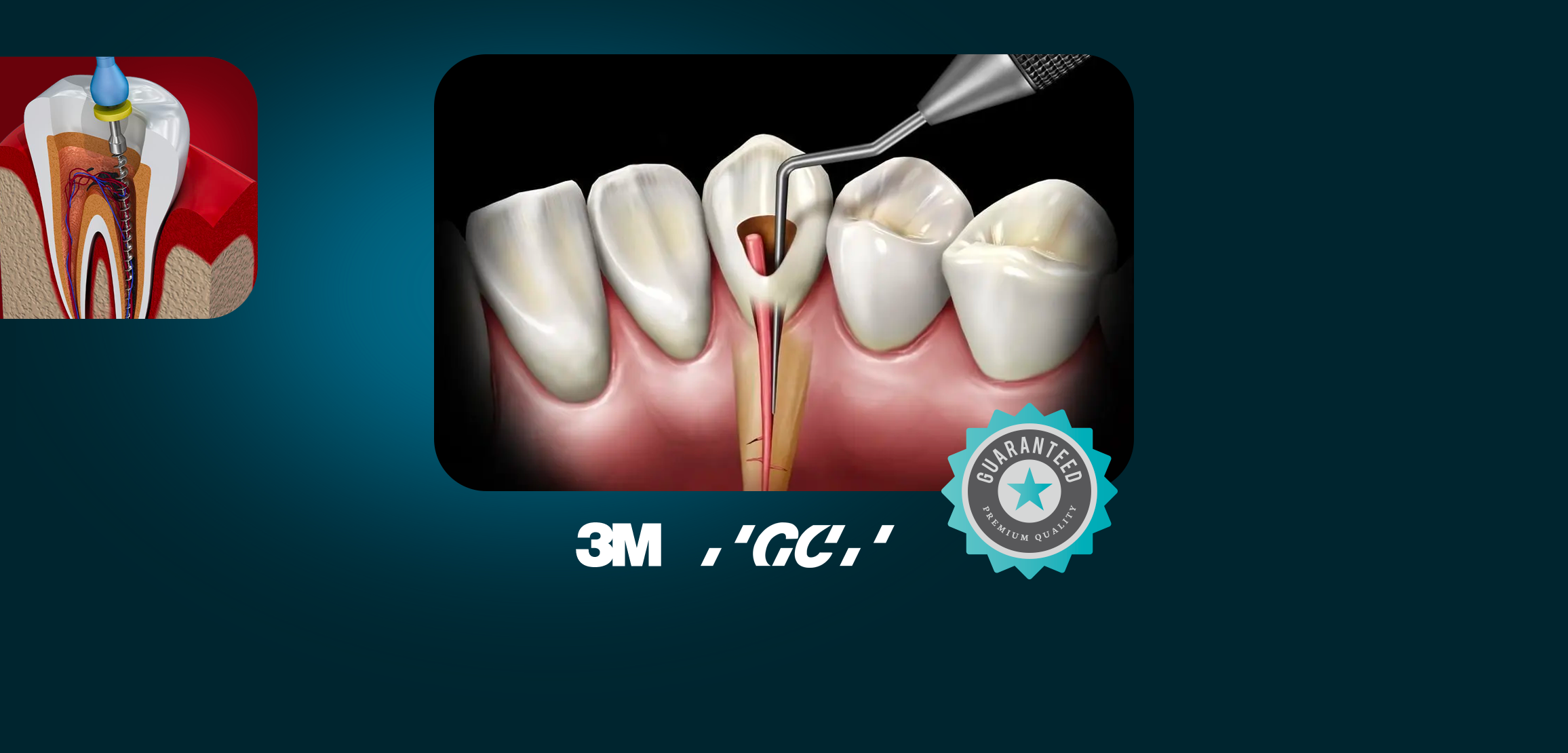
What is Root Canal Treatment?
Root canal treatment is a highly effective procedure designed to remove infection, relieve pain, and preserve a damaged or decayed tooth. The treatment involves cleaning out the infected pulp inside the tooth, sealing it, and restoring its function and appearance. Contrary to common misconceptions, modern root canal treatment is virtually painless and helps avoid the need for tooth extraction.
Who Needs Root Canal Treatment?
Root canal treatment is recommended for individuals who experience:
Severe tooth pain that worsens with chewing or pressure.
Sensitivity to hot or cold that lingers even after removal of the stimulus.
Swollen or tender gums near the affected tooth.
Darkened or discolored tooth due to infection or trauma.
Persistent or recurring pimples on the gums.
Deep decay or large fillings that have affected the nerve of the tooth.
Root Canal vs. Tooth Extraction
Purpose
Preserves the natural tooth
Removes the infected tooth
Procedure
Cleans and seals the infected area
Removes the tooth completely
Healing Time
Faster healing with minimal discomfort
Longer healing process
Functionality
Restores full chewing and speech ability
May require a dental implant or bridge
Cost
More cost-effective in the long run
May lead to additional costs for replacement options
Root Canal Procedure Step by Step
- Diagnosis & X-ray: The dentist takes digital X-rays to assess the extent of infection. A thorough evaluation determines whether a root canal is necessary.
- Local Anesthesia: The treatment area is numbed for a pain-free experience.
- Cleaning & Shaping the Canals: A small opening is made in the tooth to access the infected pulp. The infected tissue is carefully removed, and the root canals are cleaned.
- Filling & Sealing the Tooth: The cleaned canals are filled with biocompatible materials. The opening is sealed to prevent future infections.
- Final Restoration (Crown Placement if Needed): A dental crown may be placed for added protection and durability.
Healing and Recovery Process
Minimal discomfort that subsides within a few days.
Over-the-counter pain relievers can help manage mild soreness.
Avoid chewing on hard foods until the final restoration is placed.
Regular oral hygiene helps ensure long-term success.
Advantages of Root Canal Treatment
✅ Saves the natural tooth and prevents tooth loss.
✅ Relieves severe tooth pain and discomfort.
✅ Prevents infection from spreading to surrounding teeth and gums.
✅ Maintains normal chewing function and speech ability.
✅ A cost-effective solution compared to tooth extraction and replacement.
Potential Risks and Considerations
Some teeth may require retreatment if infection recurs.
If the tooth is too damaged, extraction may be the only option.
A dental crown may be necessary for added protection.
Regular check-ups are essential to monitor long-term success.
Cost of Root Canal Treatment
The cost of a root canal depends on:
The complexity of the case (front vs. molar tooth).
The need for additional procedures like a dental crown.
The technology used for precision treatment.
At DIS Levent International, we offer affordable pricing and flexible payment plans to make high-quality root canal treatment accessible to all patients.
Frequently Asked Questions
How long does a root canal-treated tooth last?
With proper care, a treated tooth can last a lifetime.
Is the procedure painful?
No, modern techniques and anesthesia make root canal treatment virtually painless.
Can I eat normally after a root canal?
Yes, but avoid hard foods until the final crown is placed.
Will I need a crown after a root canal?
In many cases, a dental crown is recommended to protect the tooth and restore its strength.
What happens if I don't get a root canal?
Ignoring an infected tooth can lead to severe pain, abscess formation, and tooth loss.